

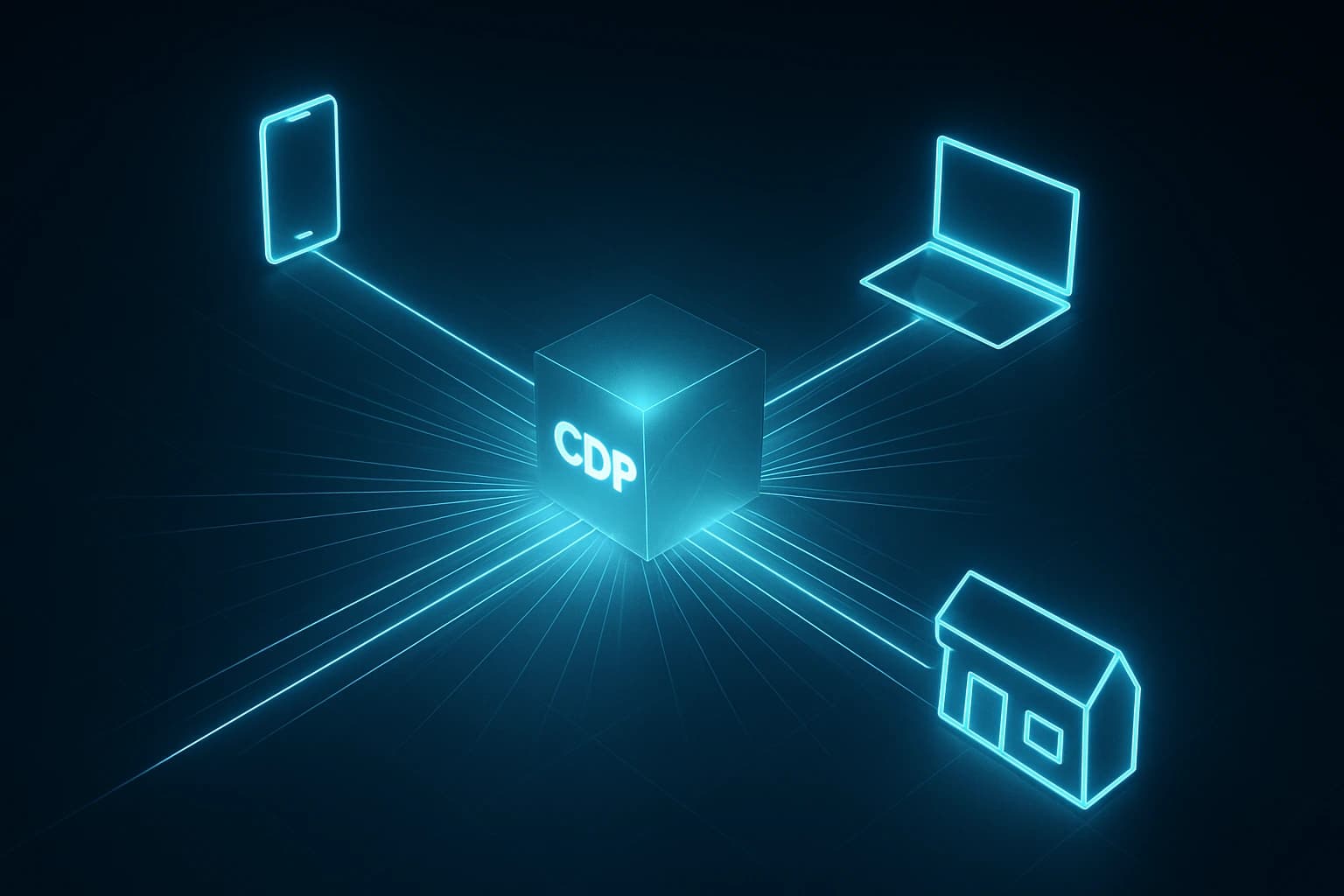
A customer data platform (CDP) is a customer data unifying software. You can manage your customer experience across every touchpoint by adding it to your MarTech stack. This software brings together data from all sources – batch, streaming, structured or unstructured, transactional or demographic – and makes it available 24×7 to all enterprise users.
Today, CDPs have become a “must-have” tool for marketers as it helps collect customer data from all sources to create a 360 degree profile of every client. The idea is to deliver the “ultimate customer experience”. In order to do that, certain best practices have to be put in place vis-à-vis the use of the CDP, and this article looks at some of the important ones.
Top 10 CDP Best Practices to Adopt
What are the 10 CDP Best Practices to Enhance Customer Experiences? Let’s first give a glance at the ten best practices for using a CDP itself for better customer experience:
- Identify the key business objectives for using a CDP
-----------------------------
How does a CDP help Marketers Strengthen Customer Relationships? >>> Schedule a call >>>>
-----------------------------
Mistakes to Avoid when Implementing A CDP
There are some common mistakes that companies make while deploying a CDP.
- One is failing to integrate CDP data with other data sources, such as marketing automation platforms and CRMs. This can lead to data silos and make it difficult to get a holistic view of the customer.
With that out of the way, let’s move on to this post’s main topic – how to better use a CDP to enhance your customer’s experience. A CDP can be used to personalize the customer experience and to provide additional services.
How You can Use a CDP to Enhance Customer Experiences?
Now that we’ve seen what a CDP is, and some of the best practices for using it, let’s take a look at how you can use a CDP best practices to enhance customer experiences.
- Use a CDP to enhance customer experiences across all touchpoints: One of the key benefits of using a CDP is the ability to improve customer experiences across all touchpoints.
To begin with, the first step would be to lay down a roadmap for enhancing the customer experience.
Laying Out A Roadmap
Your business’ overall target are tied in directly with your marketing goals, which, in turn, are directly or indirectly tied in to your customer experience. For all of this, you need to work to a plan, which has to be put down on paper. This has to be shared with all stakeholders involved in the decision-making.
The roadmap must ask basic questions like: What do customers want from your business? How do you meet those needs? The plan must not only have questions, but answers, too.
There should be measurable key performance indicators (KPIs), which may include customer satisfaction (CSAT) scores and net promoter scores (NPS).
Whenever you make a commercial or marketing decision, you can use your CDP best practices roadmap as a compass – whether you’re customizing your CDP capabilities or identifying which data sources you’ll need.
Ensuring Your Business Goals Sync with Customer Experience Plan
Customer experience could become the driving force in your enterprise, taking it towards its commercial goals. You will, however, need to ensure that your business goals and customer experience are in alignment. It’s the only way that you can make sure that you reach the target market and meet their needs in a way that improves your profits.
There are a few ways that you can do this. You need to make sure that you understand your customer’s needs. What motivates them? What makes them happy? Do you have a strategy that actually anticipates a customer’s needs even before they are expressed? Once you know these things, you can start to tailor your products and services to meet those needs.
Optimizing Marketing Campaigns With A CDP
By combining various customer data points, such as email addresses, phone numbers, first-party cookies and purchase data, the platform creates a single customer profile. In fact, once your business acquires a CDP, the aim should be to unify all disparate sources of data. Once done, you need to send out personalized content to consumers.
CDPs give marketers complete control over customer related data collection and its segmentation. They offer integration of data both identifiable and anonymous customer data with any external source such as a CRM, point of sale (POS) machine, smart computing device, website and so on.
A CDP takes the confusion out of your marketing campaigns. Data management has become increasingly complex in recent years, with the rise of big data and the proliferation of devices and sensors. This has made it difficult for marketers to keep track of customer data and use it effectively. A CDP helps marketers overcome these challenges by collecting, organizing, and analyzing customer data from multiple sources.
But how does one know which content to send out? This is where the use of customer data points come into play. By understanding what actions consumers actions took on your site or app, you can better predict what they will want to see next.
For instance, if a consumer makes a purchase on your ecommerce site, you can email them thanking them for their purchase and suggesting similar items that they might be interested in. Customers are extremely valuable to businesses, and with the help of a CDP best practices, you can optimize your marketing campaigns in order to create a more engaged customer base.
-----------------------------
How do You Choose a Customer Data Platform? >>> Schedule a call >>>>
-----------------------------
Using The CDP As An Enabler
That’s right. Your CDP is the sole central source of truth. Gone are the days when simply tracking a customer’s journey would suffice. Today, it’s all customer experience with a brand. A customer or prospect uses multiple channels and multiple devices to shop.
They expect their shopping journey to be seamless, and get frustrated when it is not. That’s where a CDP plays a big role. This critical piece of software helps not only properly collect data but also activate it for personalization, thus driving sales.
How Can You Ensure Successful Adoption Of A CDP?
Before signing off, here are a few CDP best practices to keep in mind when implementing a CDP.
- It’s important to have a clear understanding of your organization’s needs and goals.